 |
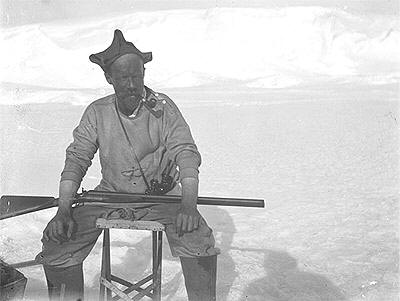
| Frank Wild |
 |
| this diagram helps show the effects of frostbite such as Blackboro's |
The daily routines of climbing the hill and surviving the winds continued, and food was not much of a problem due to the location of the penguins. McIllroy made the decision that Blackboro's toes would need to be amputated. The instruments were sterilized in boiling water. They used chloroform as the anesthetic for the operation. While Blackboro was unconscious, McIllroy peeled the dead tissue back and cut each toe off one by one. McIllroy scraped off the rest of the dead skin, cleaned the wound, and stitched Blackboro's foot back together. This portion of the story really intrigued me although it was rather disgusting. It just amazed me how they really made due with what they had.
Midwinter's day on June 22 gave the men an excuse to have a large meal and what little alcohol they had. A celebration like this helped raise their spirits in a rough time like winter. The weather was fairly reasonable for it being winter, but the men would have to bail melted snow out of their hut in order to keep conditions bearable. Hudson had developed an abscess on his buttock from the boat journey, and it had only become worse. McIllroy was yet again the surgeon as he cut it open and removed all of the "foul-smelling liquid." Macklin wrote in his diary: " 'It is hard to realize one's position here, living in a smoky, dirty, ramshackle little hut with only just sufficient room to cram us all in.' " As this scene draws to a close, Macklin's observation starts to become the men's attitude. At August 1, the men become very concerned with their situation as it is two years to the day that the Endurance had left from London. Many are wondering whether they would have to set out in one of the other boats in search of finding their own rescue.


